Choosing between AEM and ACM rubber is not simply a matter of comparing maximum temperature ratings. Both materials are used where automotive components face heat, oils, weathering, and demanding service conditions, but their performance profiles are not identical.
For engineers and buyers, AEM rubber and ACM elastomer should be evaluated according to the actual fluid, temperature range, mechanical loading, component design, and expected service life. A material that performs well in one seal or hose application may not be the right choice for another.
What Is the Main Difference Between AEM and ACM Rubber?
AEM rubber is an acrylic-based elastomer developed for applications requiring a combination of heat resistance, oil resistance, and weathering performance. ACM elastomer is also based on acrylic chemistry and is widely associated with oil-resistant automotive applications, particularly where elevated temperatures are involved.
The practical difference is that their polymer structures, compound formulations, and curing systems can produce different balances of heat resistance, low-temperature behavior, compression set, and resistance to automotive fluids. As a result, AEM and ACM should not automatically be treated as interchangeable materials.
For component manufacturers, the correct comparison should focus on the requirements of the finished part rather than selecting a polymer solely from a general material category.
How Do AEM and ACM Differ in Polymer Structure and Curing?
Acrylic elastomers are designed around polymer structures that provide resistance to heat and petroleum-based fluids. However, the specific polymer composition and reactive groups used in an ACM rubber material or AEM compound influence how the finished rubber responds to curing and service conditions.
Compound design is particularly important because the polymer is only one part of the final formulation. Cure system, fillers, plasticizers, stabilizers, pigments, and other additives can change hardness, tensile properties, compression set, and resistance to aging.
This means two compounds based on the same elastomer family can show noticeably different performance. Engineers should therefore distinguish between general polymer characteristics and the tested properties of a specific compound.
The processing method also matters. Cure temperature, time, molding conditions, and compound preparation need to be controlled consistently because variations can affect the final properties of seals, hoses, and molded components.
How Do Heat, Oil, Weathering and Low-Temperature Performance Compare?
AEM and ACM are both polyacrylic rubber materials considered for applications where resistance to heat, automotive fluids, and environmental exposure is required. However, their performance profiles are not identical, particularly when temperature changes, oil exposure, and low-temperature flexibility are considered. For this reason, engineers should evaluate the specific compound and service conditions rather than relying on the general characteristics of either material family.
| Performance Factor | AEM Rubber | ACM Elastomer | Selection Consideration |
| Heat resistance | Suitable for elevated-temperature applications | Suitable for elevated-temperature applications | Check actual continuous service conditions |
| Oil resistance | Good resistance to many automotive oils | Strong oil-resistance characteristics | Identify the specific fluid |
| Weathering | Good resistance to ozone and weathering | Generally suitable for automotive environments | Consider outdoor exposure |
| Low-temperature behavior | Grade-dependent | Grade-dependent | Review actual compound data |
| Compression set | Compound-dependent | Compound-dependent | Important for long-term sealing |
| Mechanical properties | Depend on formulation | Depend on formulation | Compare tested values |
| Fluid compatibility | Application-specific | Application-specific | Test the actual oil or fluid |
These comparisons should be treated as general selection guidance rather than a substitute for grade-specific testing. For critical components, the final choice should be based on test data under conditions that represent the intended application.
Which Material Is Better for Automotive Seals, Hoses and Gaskets?
Neither material can be considered universally better because the required performance changes with component design and operating conditions.
For automotive seals, the main concerns may include oil compatibility, compression set, heat aging, dimensional stability, and resistance to repeated thermal cycles. A seal exposed to engine oil may require a different compound from one exposed to another fluid or located in a different temperature zone.
For hoses, flexibility, pressure, temperature cycling, and fluid resistance become more important. The hose construction also includes reinforcement and other layers, so the elastomer cannot be evaluated independently from the complete assembly.
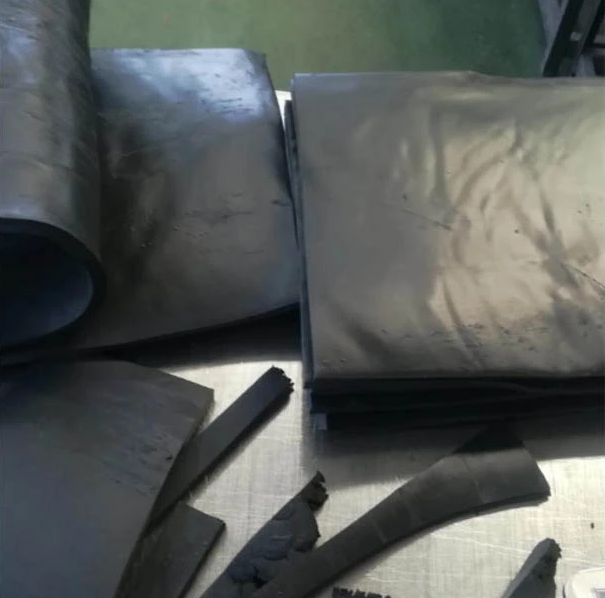
Gaskets require reliable sealing under compression and temperature changes. In these applications, Vamac rubber sheet may also appear in material comparisons where an acrylic elastomer solution is being considered. The appropriate material should ultimately be selected according to the component's actual service conditions and validated test results.
What Test Data Should Engineers Review Before Selecting a Grade?
An ACM rubber material or AEM compound should be evaluated using test data relevant to the finished application. Basic mechanical properties provide a starting point, but aging and fluid exposure often reveal differences that are not visible in an initial tensile test.
Engineers should review hardness, tensile strength, elongation, compression set, heat-aging performance, and changes after immersion in the intended oil or fluid. For dynamic components, fatigue, flexing, and dimensional changes may also be relevant.
The test conditions are just as important as the results. Temperature, exposure time, fluid type, specimen dimensions, and testing standards should be documented so different materials can be compared on an equivalent basis.
What Information Should Be Provided When Requesting an AEM Compound?
A supplier needs sufficient application information to recommend an appropriate compound rather than simply providing a generic material grade. An AEM hose manufacturer, for example, should understand how the hose will be used before proposing a compound.
An RFQ should normally include:
Operating and peak temperature range
Oil, fuel, coolant, or other media in contact with the rubber
Working pressure and mechanical loading
Component type and basic dimensions
Required hardness and color
Expected service life and environmental exposure
Applicable automotive or regulatory requirements
Providing this information at the quotation stage makes it easier to compare materials on the same basis and determine whether a standard compound or a more specialized formulation is appropriate.
Frequently Asked Questions About AEM and ACM Rubber
Can AEM and ACM rubber be used interchangeably?
Not automatically. Although both are acrylic elastomers used in demanding automotive environments, their performance can differ by polymer structure, formulation, and grade.
Which material is better for high-temperature oil service?
Both can be considered for high-temperature oil applications, but the appropriate choice depends on the actual oil, temperature, exposure time, and required mechanical performance.
How important is low-temperature performance?
It can be critical when a component experiences large temperature changes. Engineers should review grade-specific low-temperature data rather than relying on general material descriptions.
Can AEM or ACM be used for automotive hoses?
Yes, suitable compounds can be used for automotive hose applications, provided the compound and complete hose construction meet the required temperature, fluid, pressure, and durability conditions.
Should engineers test the actual oil or fluid?
For critical applications, testing with the actual service medium provides more relevant information than relying only on general compatibility charts.
What should I compare when evaluating suppliers?
Compare the exact compound grade, mechanical properties, heat-aging results, fluid-resistance data, processing consistency, technical documentation, and ability to provide application-specific samples.