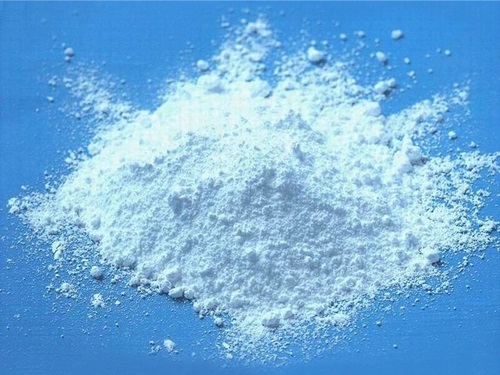
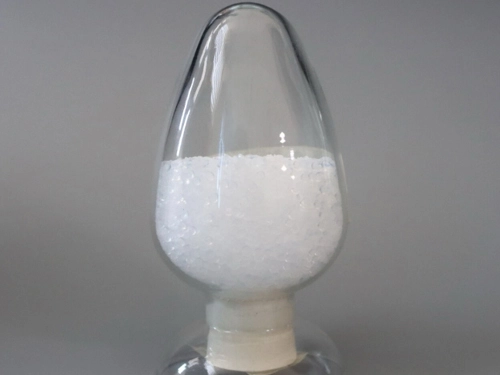
- PTFE Molding Powder (SF-5CF)
- PTFE Molding Powder (SF-5GL5M)
- PTFE Molding Powder (SF-10CF)
- PTFE Molding Powder (SF-10EK)
- PTFE Molding Powder (SF-10GL)
- PTFE Molding Powder (SF-10GR)
- PTFE Molding Powder (SF-13CAR2GR)
- PTFE Molding Powder (SF-15BR)
- PTFE Molding Powder (SF-15CAR)
- PTFE Molding Powder (SF-15CF)
- PTFE Molding Powder (SF-15GL GREEN)
- PTFE Molding Powder (SF-15GL)
- PTFE Molding Powder (SF-15GL5GR)
- PTFE Molding Powder (SF-15GL5M)
- PTFE Molding Powder (SF-15GR)
- PTFE Molding Powder (SF-15PI)
- PTFE Molding Powder (SF-20CAR)
- PTFE Molding Powder (SF-20EK)
- PTFE Molding Powder (SF-20GL)
- PTFE Molding Powder (SF-20GL5GR)
- PTFE Molding Powder (SF-20GL5M)
- PTFE Molding Powder (SF-20PEEK)
- PTFE Molding Powder (SF-20PI)
- PTFE Molding Powder (SF-23CAR2GR)
- PTFE Molding Powder (SF-25CAR)
- PTFE Molding Powder (SF-25GL)
- PTFE Molding Powder (SF-25GR)
- PTFE Molding Powder (SF-30BR10CF)
- PTFE Molding Powder (SF-30BR10GR)
- PTFE Molding Powder (SF-30GL)
- PTFE Molding Powder (SF-35BR5GR)
- PTFE Molding Powder (SF-40BR GREEN)
- PTFE Molding Powder (SF-40BR)
- PTFE Molding Powder (SF-40BR5CAR)
- PTFE Molding Powder (SF-60BR)

- 51 Series Silicone Rubber for Molding-New
- 52 Series Silicone Rubber for Extrusion
- Common Silicone Rubber for Molding & Extrusion
- High Transparency Silicone Rubber
- DHS-93 Series Silicone Rubber
- DHS-94 Series Silicone Rubber
- General Purpose Fire Resistant Silicone Rubber
- General Purpose Silicone Rubber for Extrusion
- General Silicone Rubber For Molding
- High Temperature Resistant Silicone Rubber
- Self-lubricating Silicone Rubber
- Silicone Rubber for Molding (For Food Use)
- General Purpose Silicone Rubber for Molding
- 13.8Mpa AEM Rubber Compound 400% Elongation with Good Heat Aging Feature
- AEM ACM Rubber Compound 73 ShA Hardness Black Color for Automotive Sealing
- Ethylene Acrylic Rubber Compound 60 ShA Hardness Resistance to 175°C
- AEM Rubber Compound Acrylic Ethylene 256% Elongation with Ozone Resistance
- 9Mpa AEM Rubber Compound with Excellent Resistance to Extreme Temperatures
- Ethylene Acrylic Elastomer AEM Rubber Compond Vamac G Good Flaming Resistance
- White Granular CSM Rubber Heat Endurance And Ozone Resistance In Extreme Environments
- ISO SGS CSM Rubber material electrical insulation For Industrial Applications
- 1.5% Volatile CSM Rubber Chlorosulphonated Polyethylene For Seals And Gaskets
- C40 C45 Light Yellow Hypalon Chlorosulfonated Polyethylene CSM
- CSM Hypalon Chlorosulfonated Polyethylene Rubber Light Yellow Color
- Hypalon CSM Rubber Chlorine 23% - 27% For Wire And Cable Industry
- Synthetic Polyisoprene Rubber Hypalon Rubber 25Mpa Tensile Strength
- Ozone Resistance Material HYPALON Rubber Chlorosulfonated Polyethylene CSM
What are you looking for?