For industrial buyers, comparing PTFE powder is rarely as simple as choosing the lowest price per kilogram. The quoted cost reflects the material grade, powder characteristics, processing requirements, order quantity, packaging, testing, and documentation. Two products that appear similar on paper can therefore have different commercial values once they are evaluated against an actual manufacturing process.
A more practical sourcing approach is to define the application first and then compare suppliers against the same technical and purchasing requirements. This makes PTFE powder price easier to evaluate while reducing the risk of selecting a material that creates processing or quality problems later.
What Determines PTFE Powder Price?
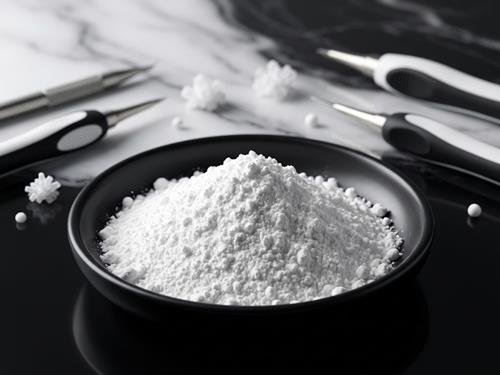
The PTFE powder price is influenced by several factors, including powder type, grade, processing requirements, purchase quantity, packaging, and quality-control requirements. The material itself is only one part of the final quotation.
For industrial purchasing, the most important cost drivers include:
Material and grade: Different grades of polytetrafluoroethylene resin can have different processing characteristics and performance requirements.
Processing requirements: Molding, extrusion, particle characteristics, dimensional requirements, and other production conditions can affect material selection.
Order conditions: Samples, small batches, and regular bulk purchases may have different unit-cost structures.
Quality requirements: Additional inspection, testing, COA documentation, traceability, and compliance requirements can influence the quotation.
For this reason, buyers should compare complete specifications rather than treating the quoted price as an isolated number.
How Does PTFE Powder Type Change the Cost Basis?
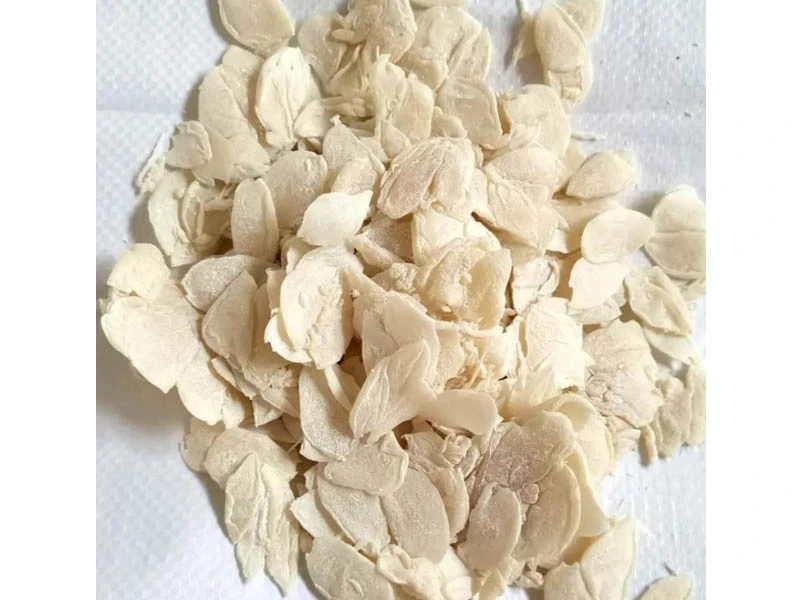
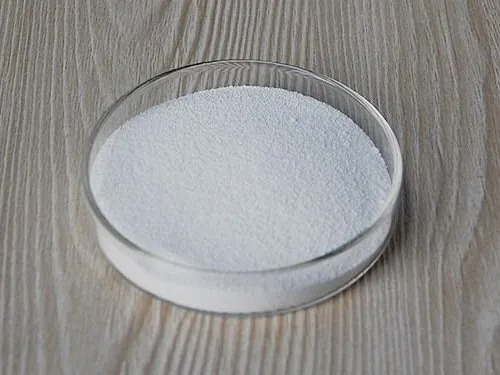
PTFE powder is available in different forms designed for different processing requirements. PTFE fine powder, molding powder, and micropowder therefore do not necessarily share the same cost basis.
PTFE fine powder is generally selected according to the requirements of processes where powder characteristics influence forming or extrusion behavior. PTFE molding powder is intended for molding applications, where the material needs to perform appropriately during compression molding and subsequent operations. Micropowder is another category where particle characteristics and the intended end use can influence specification and cost.
Micropowder is another category where particle characteristics and the intended end use can influence specification and cost. The important consideration for buyers is not simply whether one type costs less, but whether the material is suitable for the manufacturing process and finished product.
A powder that requires fewer processing adjustments and provides stable production results may offer better purchasing value even when its initial unit price is not the lowest.
How Do Grade and Processing Requirements Affect the Quotation?
PTFE grade selection is closely connected to the way the material will be processed. Factors such as extrusion pressure, reduction ratio, molding method, product dimensions, and required finished-product properties can all affect the appropriate grade.
For example, a PTFE material used for paste extrusion needs to perform under the specified extrusion conditions, while molding applications may require a grade selected around the shape, density, and dimensional requirements of the finished component.
When preparing to buy PTFE powder, buyers should provide the manufacturer with sufficient information about the production process. If the grade is already validated, the existing technical specification should be included in the RFQ. If the application is still under development, information about the finished product can help the supplier recommend a suitable material.
This approach is particularly useful when performance requirements involve friction, chemical resistance, temperature resistance, electrical properties, or dimensional stability. Choosing the material around the actual application can help avoid unnecessary processing costs.
How Do Order Quantity, Packaging and Quality Documentation Affect Cost?
The commercial cost of PTFE powder also depends on how the material is purchased and delivered. A laboratory sample, small production order, and recurring bulk purchase can have very different pricing structures even when they use the same grade.
When comparing quotations, buyers should consider:
Order quantity: Sample quantities are normally priced differently from production volumes. Estimated annual demand or purchasing frequency can help manufacturers provide a more realistic quotation.
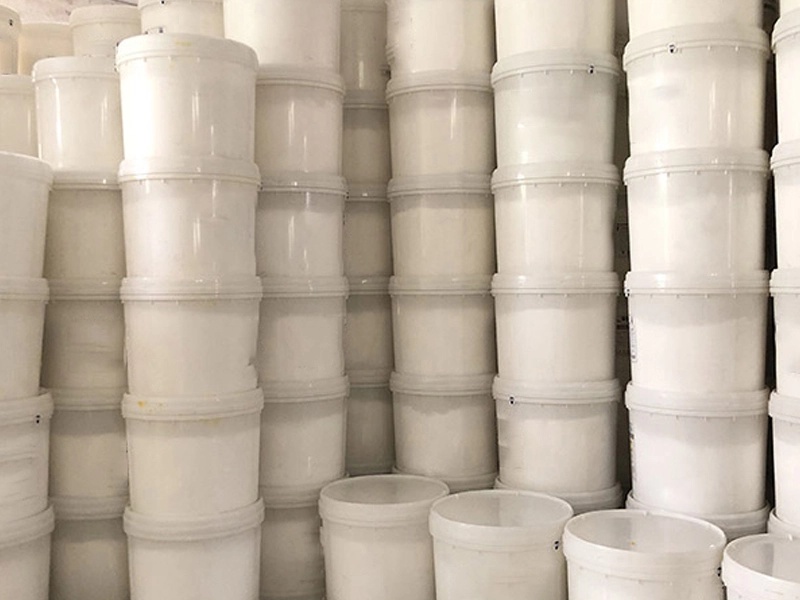
Packaging: Package size, container type, labeling, and protection during transportation may affect the final purchasing cost.
Quality documentation: Buyers may require a Certificate of Analysis (COA), batch information, inspection records, traceability, or other project-specific documents.
Delivery requirements: Lead time and shipment arrangements can influence the overall purchasing cost, especially when production schedules are tight.
For PTFE powder for sale, these conditions should be included in the purchasing specification instead of being treated as separate administrative details.
How to Compare Quotes from PTFE Powder Manufacturers
PTFE powder manufacturers should be compared using consistent technical and commercial criteria. A quotation with a lower unit price may not represent a lower total cost if the material has different processing characteristics, inconsistent batches, or unsuitable packaging.
| Comparison Factor | What to Check | Why It Matters |
| Grade | Exact grade and specification | Confirms application suitability |
| Processing | Molding, extrusion, or other method | Helps avoid processing issues |
| Batch consistency | QC and production controls | Supports repeatable production |
| Price | Quantity and quotation basis | Enables fair comparison |
| Lead time | Sample and production delivery | Supports production planning |
| Packaging | Size and protection | Reduces handling problems |
| Documentation | COA and quality records | Supports incoming inspection |
| Technical support | Grade and processing guidance | Helps during development |
The comparison should be made using equivalent grades and conditions. If one supplier proposes a different material, buyers should first determine whether it is technically interchangeable before comparing the prices.
What Information Should Be Included in a PTFE Powder RFQ?
A detailed RFQ helps suppliers calculate PTFE powder price more accurately and reduces repeated communication during the quotation process.
The request should include the intended application, processing method, finished-product dimensions, required grade, estimated order quantity, packaging requirements, target market, and documentation needs.
It is also useful to state whether the material is required for sample testing, pilot production, or regular purchasing. If the buyer already has a validated specification, providing the technical reference allows different suppliers to quote against the same requirements.
For a new application, information about the finished component and its operating conditions can be more useful than simply requesting a generic PTFE powder quotation.
Frequently Asked Questions About Buying PTFE Powder
What affects PTFE powder price?
Grade, powder type, processing requirements, quantity, packaging, testing, documentation, and delivery conditions can all influence the final price.
Is bulk PTFE powder always cheaper?
Bulk purchasing can provide a different unit-cost structure, but pricing still depends on the grade, specification, quantity, packaging, and commercial terms.
Can I request a PTFE powder sample?
Yes. Samples allow buyers to evaluate processing behavior and finished-product performance before committing to larger production quantities.
How do I choose the right PTFE grade?
Start with the intended processing method and finished-product requirements. The selected grade should be suitable for both manufacturing conditions and required performance.
How should PTFE powder be stored?
Storage should follow the manufacturer's recommendations, with the original packaging kept intact and the material protected from contamination and unsuitable environmental exposure.
How should I evaluate a PTFE powder supplier?
Compare material consistency, processing suitability, quality control, lead time, packaging, documentation, technical support, and overall purchasing conditions instead of focusing only on unit price.