Introduction
Fluoropolymers are chosen when a material must survive heat, aggressive chemicals, and electrical stress at the same time. PTFE is the most recognized name in this family, but its high melt viscosity limits the ways it can be shaped. PFA, or perfluoroalkoxy, offers many of the same chemical and thermal benefits while behaving more like a conventional thermoplastic during processing.
For buyers sourcing raw materials for chemical processing equipment, semiconductor components, wire insulation, or laboratoryware, understanding the difference between PTFE and PFA helps guide material selection. This article explains what PFA is, where it is used, and how buyers should decide between PFA resin and PFA dispersion.
What Is PFA?
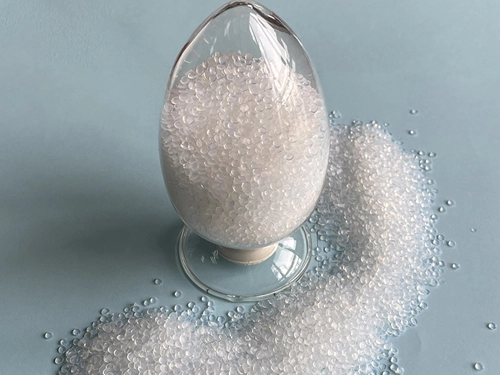
PFA is a copolymer of tetrafluoroethylene (TFE) and perfluoropropyl vinyl ether (PPVE). It shares the carbon-fluorine backbone that gives PTFE its chemical inertness and thermal stability, but the PPVE comonomer lowers the melt viscosity. As a result, PFA can be processed using standard thermoplastic methods such as injection molding, extrusion, and blow molding.
FluorinChem supplies PFA in two main forms:
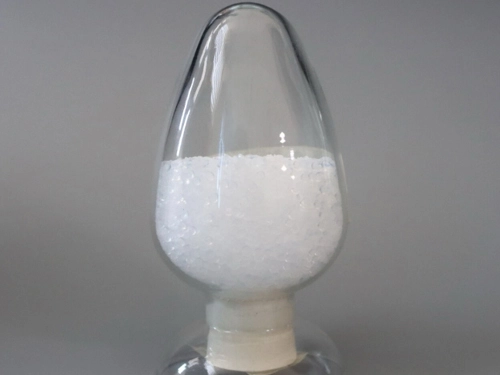
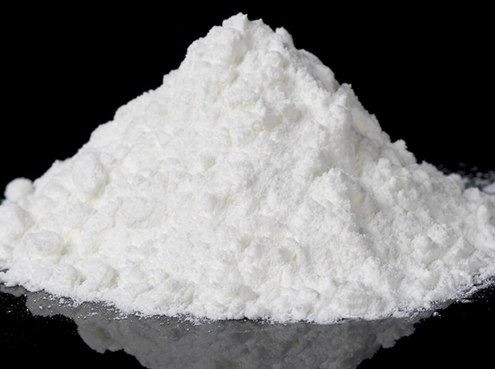
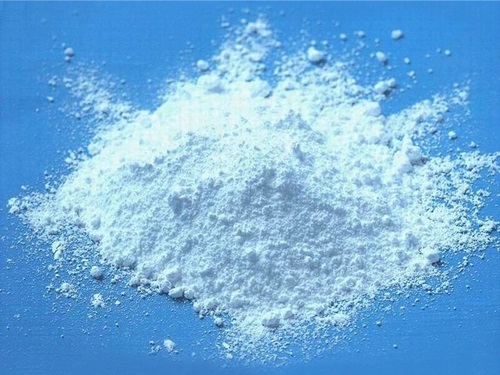
· PFA resin: A solid pellet or powder form used for molding and extrusion.
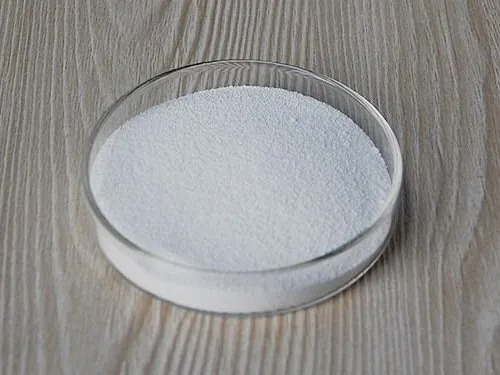
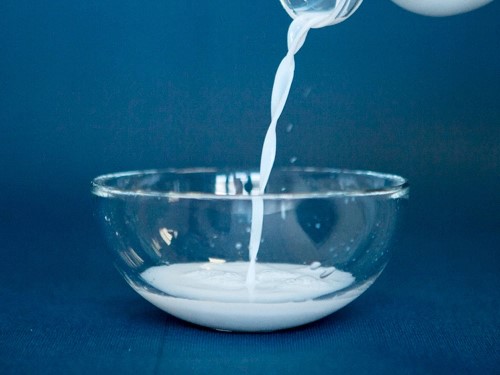
· PFA dispersion SF-301: A liquid dispersion used for coatings, impregnations, and thin-film applications.
Compared with PTFE, PFA offers higher mechanical strength at elevated temperatures and better creep resistance, which makes it suitable for parts that must hold their shape under load in hot or chemically aggressive environments.
Key Features and Advantages
The main properties that lead buyers to specify PFA include:
· Chemical resistance: PFA resists a wide range of acids, bases, solvents, and oxidizing chemicals, similar to PTFE.
· Thermal stability: PFA can be used at elevated temperatures while maintaining its mechanical properties.
· Thermoplastic processability: Unlike PTFE, PFA can be injection molded and extruded, which allows for more complex geometries and faster production cycles.
· High-purity surface: PFA is commonly used in semiconductor and pharmaceutical equipment where extractables and surface contamination must be minimized.
· Electrical insulation: PFA has good dielectric properties and is used in wire and cable insulation for high-temperature or chemically exposed environments.
· Low friction: The low coefficient of friction is useful for valves, pumps, and bearings handling viscous or abrasive media.
· Mechanical strength at temperature: PFA retains higher stiffness and creep resistance than PTFE under load at elevated temperatures.
Main Applications
PFA is used in industries where clean, corrosion-resistant, and high-temperature materials are required. Common applications include:
· Chemical processing: Linings for valves, pipes, pumps, and tanks; seals and gaskets exposed to aggressive media.
· Semiconductor manufacturing: Tubing, fittings, wafer handling components, and chamber parts where purity is critical.
· Pharmaceutical and biotech: Vessels, tubing, and process equipment that must withstand cleaning and sterilization cycles.
· Laboratory equipment: Beakers, bottles, tubing, and connectors used with corrosive reagents.
· Wire and cable insulation: High-temperature hook-up wire, heater cables, and sensor leads.
· Food and beverage processing: Components that must resist cleaning chemicals and thermal cycling.
· Automotive and aerospace: Fuel hoses, sensor protection, and components exposed to harsh fluids or temperatures.
How to Choose Between PFA Resin and PFA Dispersion
Buyers should select the form of PFA based on how the material will be converted into a finished part:
1. Processing method: Choose PFA resin for injection molding, extrusion, compression molding, and transfer molding. Choose PFA dispersion for coatings, impregnations, cast films, and primer layers.
2. Part geometry: Complex shapes with thin walls are often easier to produce by injection molding from PFA resin than by machining from PTFE billet.
3. Temperature requirements: Confirm the continuous and peak service temperatures. PFA performs well at elevated temperatures, but the exact limit depends on grade and application.
4. Chemical exposure: List all chemicals, concentrations, and temperatures the material will contact. PFA is broadly resistant, but unusual media should always be checked.
5. Purity level: Semiconductor and pharmaceutical applications may require specific grades with low metal ion content and low outgassing.
6. Mechanical load: If the part must support load at temperature, PFA's creep resistance may be an advantage over PTFE.
7. Surface finish requirements: Dispersion coatings can provide thin, pinhole-free films over metal substrates when lining large or complex equipment.
Why Work with This Supplier
FluorinChem supplies a broad range of fluoropolymer materials, including PTFE, PVDF, FEP, PFA, ETFE, PVF, ECTFE, PCTFE, and specialty grades. For buyers developing multiple product lines, this range allows comparison and sourcing of related materials from one supplier.
The company provides PFA in resin and dispersion forms, supporting both molding and coating applications. FluorinChem also offers technical assistance with product selection and application challenges, which can help buyers match the fluoropolymer grade to the processing method and end-use environment.
For buyers moving from PTFE to PFA or adding high-purity fluoropolymer grades to their product range, FluorinChem's material portfolio and application guidance can reduce trial-and-error during material qualification.
Conclusion / Call to Action
PFA combines the chemical and thermal resistance of PTFE with the processing flexibility of a thermoplastic. It is available as a resin for molding and extrusion, or as a dispersion for coatings and films. PFA is widely used in chemical processing, semiconductor, pharmaceutical, laboratory, and wire insulation applications.
If you are selecting a fluoropolymer for a high-purity or chemically aggressive application, contact FluorinChem to discuss whether PFA resin or dispersion is the right choice for your process.