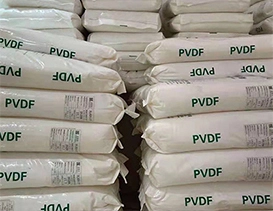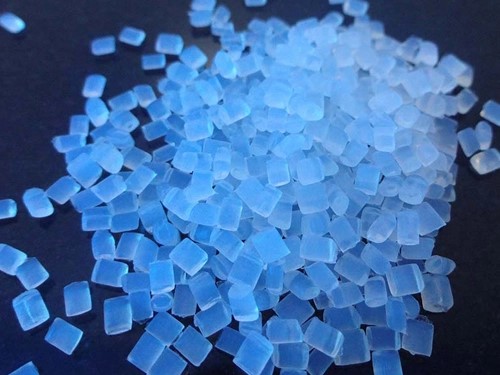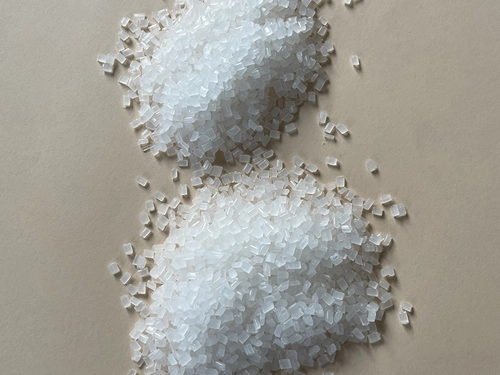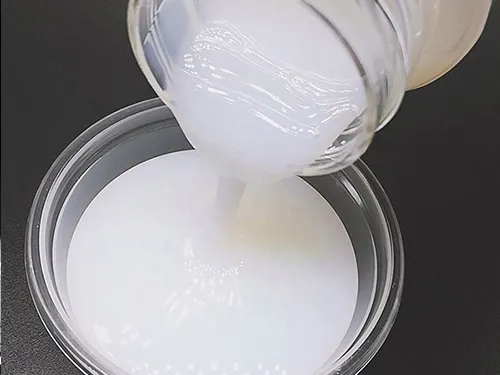
Choosing PTFE powder is not simply a matter of comparing particle size. Fine powder, molding powder, and micropowder belong to the same polymer family, but they are made for different processing routes and end uses. A grade that performs well in paste extrusion may be unsuitable for compression molding, while a micronized additive is not intended to replace a primary molding resin.
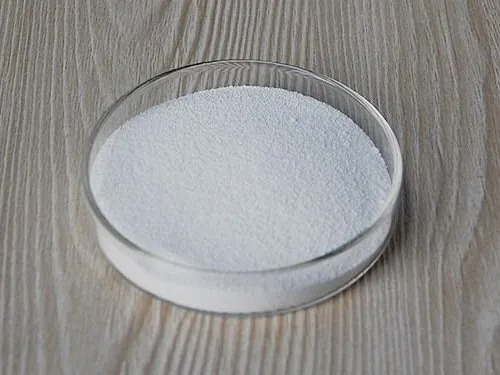
PTFE powder is a particulate form of polytetrafluoroethylene supplied in grades engineered for a specific processing method, product shape, or modification purpose. PTFE itself is a synthetic fluoropolymer of tetrafluoroethylene.
What Are the Main Types of PTFE Powder?
Industrial buyers usually encounter three broad categories:
PTFE fine powder is mainly selected for paste extrusion into continuous products such as tubes, tapes, membranes, wire insulation, and related profiles.
PTFE molding powder is selected for compression molding, preforming, and sintering, especially for billets, sheets, rods, seals, or parts that will later be machined.
PTFE micropowder is generally used as a functional additive in coatings, inks, lubricants, thermoplastics, and other formulations rather than as the main resin in a molded part.
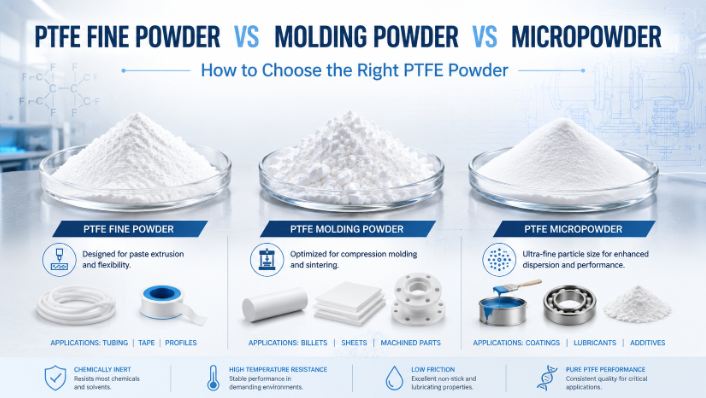
PTFE Fine Powder vs Molding Powder vs Micropowder
| Comparison Point | PTFE Fine Powder | PTFE Molding Powder | PTFE Micropowder |
| Primary role | Main resin for paste extrusion | Main resin for molding and sintering | Functional additive or modifier |
| Typical process | Paste extrusion | Compression molding, preforming, sintering, and machining | Dry blending, compounding, dispersion, and coating formulation |
| Common products | Tubes, tapes, membranes, cable insulation, and hoses | Billets, sheets, rods, gaskets, seals, and machined components | Coatings, inks, lubricants, engineering plastics, and elastomer compounds |
| Key buying concern | Extrusion pressure, reduction ratio, and fibrillation behavior | Flow, bulk density, particle consistency, and molded-part quality | Particle distribution, dispersion, compatibility, and dosage behavior |
| Best choice when | A continuous extruded PTFE article is required | A dense molded blank or machined part is required | Friction, wear, release, or surface performance must be modified |
The table is a starting point; equipment, tooling, part dimensions, and performance targets still influence the final choice.
What Is PTFE Fine Powder Used For?
PTFE fine powder is designed around paste extrusion. The powder is mixed with a processing aid, conditioned, preformed, extruded, and heated to remove the aid and consolidate the material.
The linked product range identifies continuous-length tubes, tapes, and membranes among its core applications, together with aerospace and automotive hoses and high-performance wire and cable products.
Fine powder is often the right direction when the product must be long, thin, flexible, porous, or continuously extruded. The grade still matters. A resin developed for sealing tape may not behave like one intended for tubing, cable wrapping film, or a high-reduction-ratio extrusion process.
When comparing fine-powder grades, look beyond particle size. More useful questions concern extrusion pressure, reduction ratio, paste preparation, surface quality, dimensional stability, and whether the resin forms a consistent fibrillated structure during processing.
The finished product should guide the selection. A manufacturer producing thread-seal tape will usually evaluate different processing characteristics from a manufacturer producing thick-wall tubing, cable insulation, or a breathable membrane.
When Should You Choose PTFE Molding Powder?
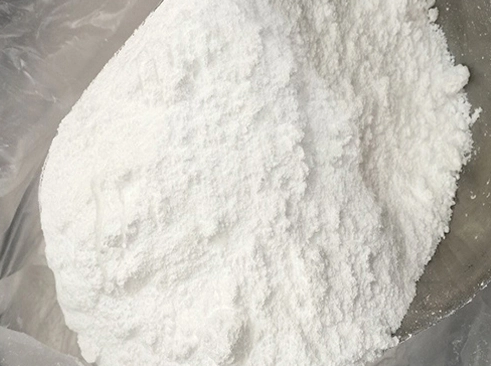
PTFE molding powder is a better fit when production begins with a pressed preform or billet rather than a paste-extruded profile. After molding and sintering, the material can be used directly or machined into finished parts.
Choose molding powder when billet integrity, machinability, dimensional control, and finished-part consistency matter more than continuous extrusion behavior. Typical products include sheets, rods, valve components, seals, electrical insulation parts, and custom-machined PTFE components.
A common sourcing mistake is ordering a general molding powder without explaining the intended part size or machining route. A large billet, thin skived film, and small precision component may place different demands on powder flow, compaction, sintering, and internal consistency.
The buyer should therefore provide the approximate product geometry, molding method, sintering conditions, machining requirements, and any relevant purity limits before approving a grade.
What Is PTFE Micropowder and How Is It Different?
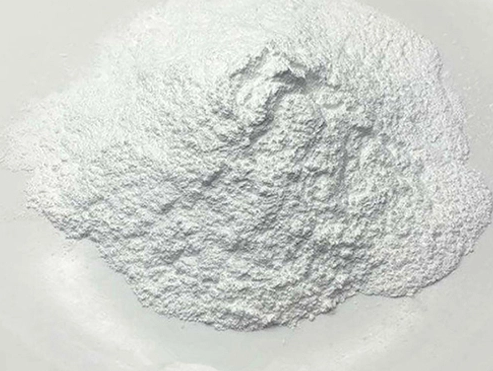
PTFE micro powder is not simply a finer version of molding resin. The product range describes it as a low-molecular-weight, micron-sized PTFE powder with good dispersion and ease of blending. Its main role is usually to modify another material or formulation.
Micropowder may be added to coatings, printing inks, lubricants, thermoplastics, elastomers, and other systems where the formulator wants to improve slip, release, wear behavior, rub resistance, or surface feel.
Because micropowder acts as an additive, selection should begin with compatibility and dispersion—not with the molding or paste-extrusion criteria used for primary PTFE resins. A smaller particle size does not automatically guarantee better results if the powder cannot be distributed evenly in the base formulation.
The buyer should test the micropowder in the actual resin, coating, ink, or lubricant system. Processing temperature, mixing equipment, base-material chemistry, and the required surface property can all influence the result.
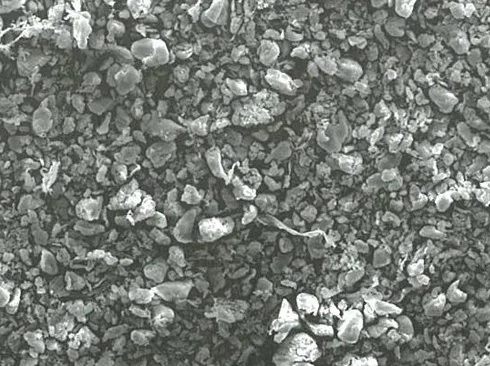
How to Select the Right PTFE Powder for Your Process
Start with the manufacturing route and the role PTFE must perform:Choose fine powder for paste-extruded tubing, tape, membrane, insulation, or another continuous profile.
Choose molding powder for compressed, sintered, billet-based, or machined products.
Choose micropowder when PTFE will be dispersed or compounded into another material as a functional additive.
Request application-specific guidance when the process involves unusual geometry, thin walls, strict contamination limits, or demanding electrical requirements.
After identifying the category, compare grades within it because processing behavior can still vary.
PTFE also behaves differently from ordinary melt-flowing thermoplastics because of its extremely high melt viscosity. Its commonly reported melting point is approximately 327°C, according to PubChem and the Wikipedia PTFE overview.
PTFE therefore does not flow through conventional processing equipment in the same way as many standard thermoplastics. Specialized paste-extrusion or molding-and-sintering methods are normally used instead.
PTFE Powder Selection Checklist
Before approving a grade or requesting a production sample, provide the supplier with practical process information:Finished product: tube, tape, membrane, billet, sheet, machined seal, coating, lubricant, or compound.
Processing route: paste extrusion, compression molding, sintering, skiving, machining, blending, or compounding.
Equipment and tooling: extruder type, die design, mold size, billet dimensions, and process limitations.
Critical performance: purity, electrical behavior, surface finish, wear, friction, porosity, or dimensional stability.
Required documents: technical data sheet, batch certificate, test method, packaging information, and storage guidance.
This information is more useful than asking for “the best PTFE powder.” There is no universal best grade; there is only a grade that fits a defined process and performance target.
When reviewing ptfe resin manufacturers, check whether they separate fine powder, molding powder, micropowder, dispersion, and filled compounds into clear product families.
A supplier should be able to explain why a grade matches the application, which processing conditions should be evaluated, and which properties need to be confirmed during a production trial.
Common Selection Mistakes to Avoid
The first mistake is choosing by product name alone. “PTFE powder” is too broad for a useful technical decision.
The second mistake is comparing data sheets without checking whether the materials serve the same process. A fine powder and a molding powder may both be described as PTFE resin, but they are not interchangeable.
The third mistake is placing a large order before confirming processing behavior on the buyer’s equipment. Laboratory data and supplier specifications are useful, but they cannot reproduce every extruder, mold, sintering cycle, formulation, or finished-part geometry.
It is also risky to treat micropowder as a substitute for molding powder because both materials appear as white powders, or to use molding powder in a paste-extrusion process simply because the polymer name is the same. Their physical form and molecular characteristics are part of the product design.
A controlled trial should evaluate process stability, appearance, dimensions, and the performance that matters in service. Supplier data can narrow the options, but the buyer’s actual process remains the final test.
Frequently Asked Questions
Is PTFE fine powder the same as PTFE micropowder?
No. Fine powder is generally a primary resin for paste extrusion. Micropowder is typically a low-molecular-weight additive used to modify coatings, polymers, lubricants, inks, and other formulations.Can PTFE molding powder be used for extrusion?
It is normally intended for molding, sintering, and machining rather than paste extrusion. For tubes, tapes, membranes, or wire insulation, a suitable fine-powder grade is usually the better starting point.Which PTFE powder is best for making billets?
Molding powder is generally selected for pressed and sintered billets. The grade should match billet size, compaction behavior, purity needs, machining method, and final-part requirements.Which PTFE powder is used in coatings and inks?
Micropowder is commonly considered when PTFE is needed as a dispersed functional additive. Compatibility, dispersion quality, processing conditions, and the target surface property should be tested in the actual formulation.Can PTFE micropowder be molded into finished parts?
PTFE micropowder is generally intended as an additive rather than the primary resin for a molded PTFE part. A suitable molding-powder grade should be considered when the goal is to press, sinter, and machine a finished component.What information should I send when requesting a PTFE powder sample?
Provide the finished product, processing method, equipment, critical dimensions, required properties, expected order volume, and any purity or documentation requirements. This helps the supplier recommend a relevant grade instead of a generic PTFE powder.
Conclusion
Fine powder, molding powder, and micropowder serve different jobs. Fine powder supports paste-extruded products, molding powder supports pressed and sintered parts, and micropowder modifies other materials. Begin with the process, compare grade-specific behavior, and verify the choice through a controlled trial. Clear application details usually lead to a better recommendation than choosing by particle size or price alone.
References
PubChem, National Library of Medicine: Polytetrafluoroethylene Chemical Information
Wikipedia: Polytetrafluoroethylene
NIST Chemistry WebBook: Poly(tetrafluoroethylene), CAS 9002-84-0